Repiping Old Pipes in Grange
Repiping Grange houses means replacing old water supply pipework with new pipe, either across the whole home or one section at a time. Grange Plumbing Services plans and runs this work for households across Grange and the streets around it, where the pre-war and post-war housing has original supply lines with decades of rust behind it.
If we're late, $100 comes off your bill

- Licensed and InsuredEvery job done by a licensed plumber. QBCC No: 15024607
- Fixed Quote FirstFlat-rate pricing, agreed before any work starts
- Lifetime Labour WarrantyBacked by our Fix-It-or-It's-Free guarantee (T&Cs apply)
- $0 Call-Out FeesNo extra charge for nights, weekends or public holidays

A licensed plumber checks the pipes first, then plans the run before anything gets opened. You get a fixed quote before any work starts.
One leaking joint is a repair, and our water pipe repairs page covers those. Repiping is the answer when the pipe itself is worn out.
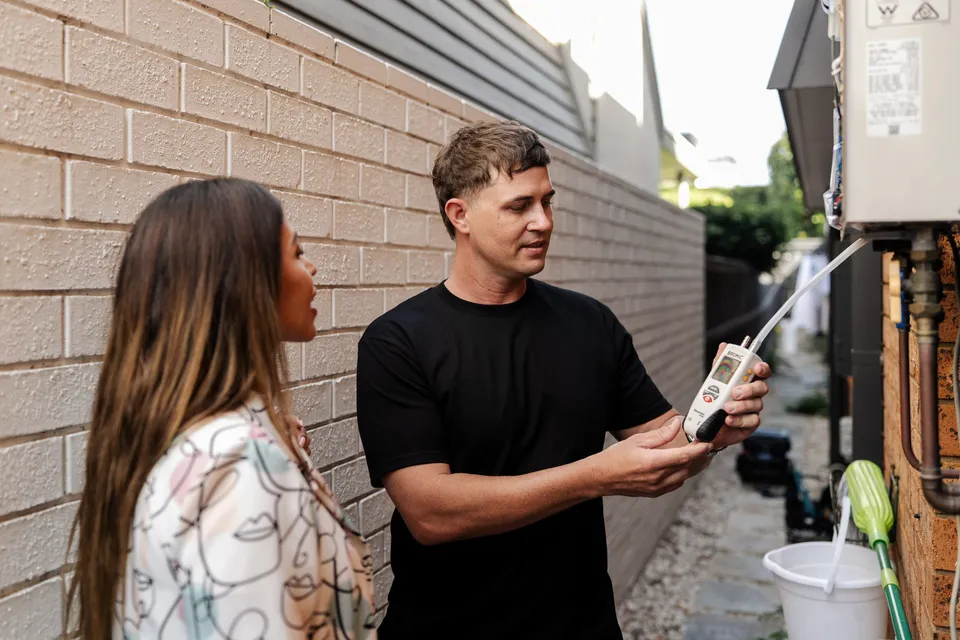
Signs Old Water Pipes Need Replacing
Repair makes sense while a pipe is sound and a leak is a one-off. Replacement makes sense once leaks keep returning along the run, the water runs rust-coloured, or the flow goes weak at several taps at once. Galvanised steel and copper joined with lead-based solder sit behind those signs, and lead solder was common across Australia until 1989.
Galvanised steel is old steel pipe carrying a zinc coating, and that coating fails from within over the years. Rust-coloured or brown water points to corrosion inside the line. Weak flow across the whole house, not just at one tap, suggests the bore is narrowing with scale or rust.
The signs worth a repipe conversation:
Leaks that keep returning
One repair after another on the same run points to a pipe wearing out, not one bad joint.
Rust-coloured water
Brown water from the taps means corrosion is inside the supply line.
Weak flow at many taps
Low flow house-wide suggests a narrowed pipe rather than a faulty fixture.
A sudden split is different, and our burst pipe repairs page covers that emergency. When the failure is gradual and spread along the run, this page is the one that matters.
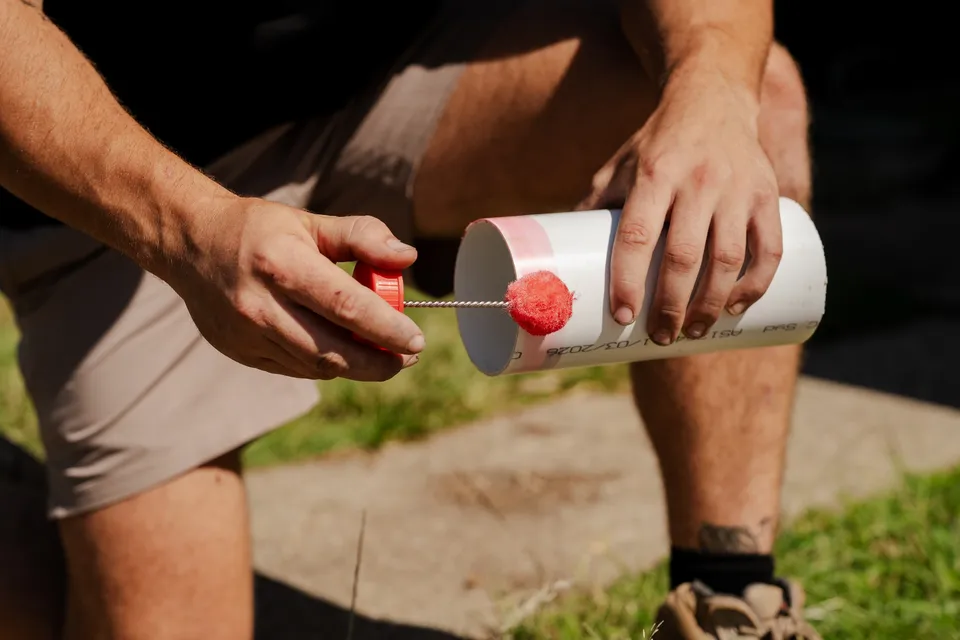
Paperwork After a Repipe in Queensland
Replacing the water supply piping in an existing building is notifiable work. A licensed plumber carries out the job, lodges a Form 4 with the QBCC within 10 business days of finishing, and hands you a copy, with no council permit involved. Plumbing a brand-new building is permit work instead, which is a different job.
Your rights as the owner after the work:
The Form 4
You receive a copy, and you can ask the QBCC for one at any time if it never arrived.
The register
The QBCC records the job against the property, and anyone can search an address for registered work.
A council check
If the council contacts you within one year of the completion notice, an inspector may view the work with your consent.
A complaint to the QBCC is open to you if a Form 4 is missing or the work looks defective. Units sit differently, because some apartment jobs are complex enough to need a local government permit, so confirm the category with the plumber.
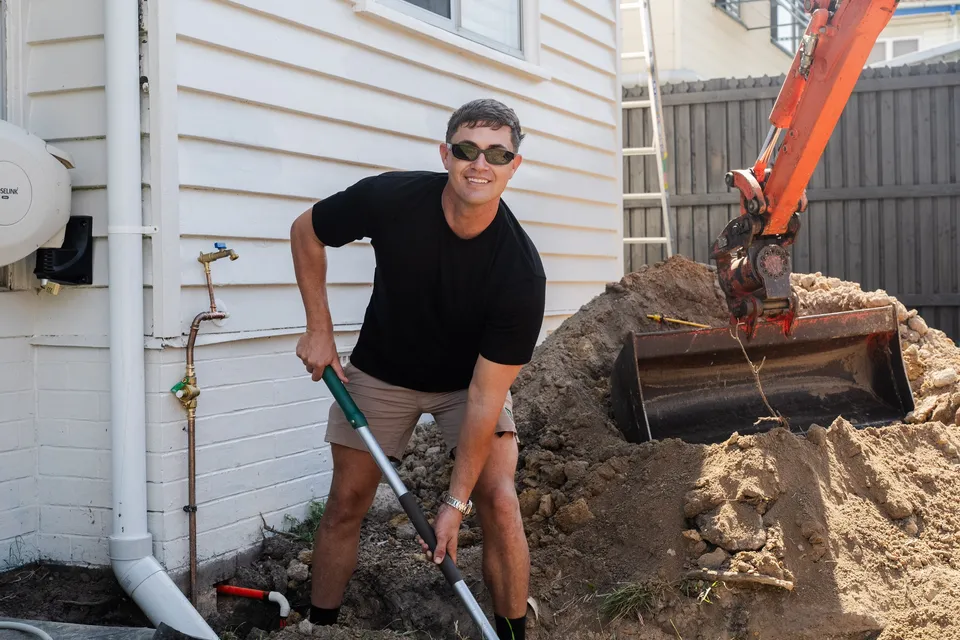
What Replaces Galvanised and Old Copper Pipe
Copper and PEX (cross-linked polyethylene) are the usual replacements, and the plumber chooses by where the pipe runs. Copper is a rigid metal pipe; PEX is a flexible plastic one that bends around framing. Every product installed must be one the Act approves for plumbing use, and the work has to meet the code requirements.
The choice between them comes down to the run:
Copper
suits exposed runs and spots where a rigid pipe is easier to fix in place.
PEX
suits runs with bends, tight subfloor spaces and long stretches with fewer joints.
The old galvanised steel comes out as the new run goes in. No brand of pipe or fitting system matters here; the approval for plumbing use is what counts.
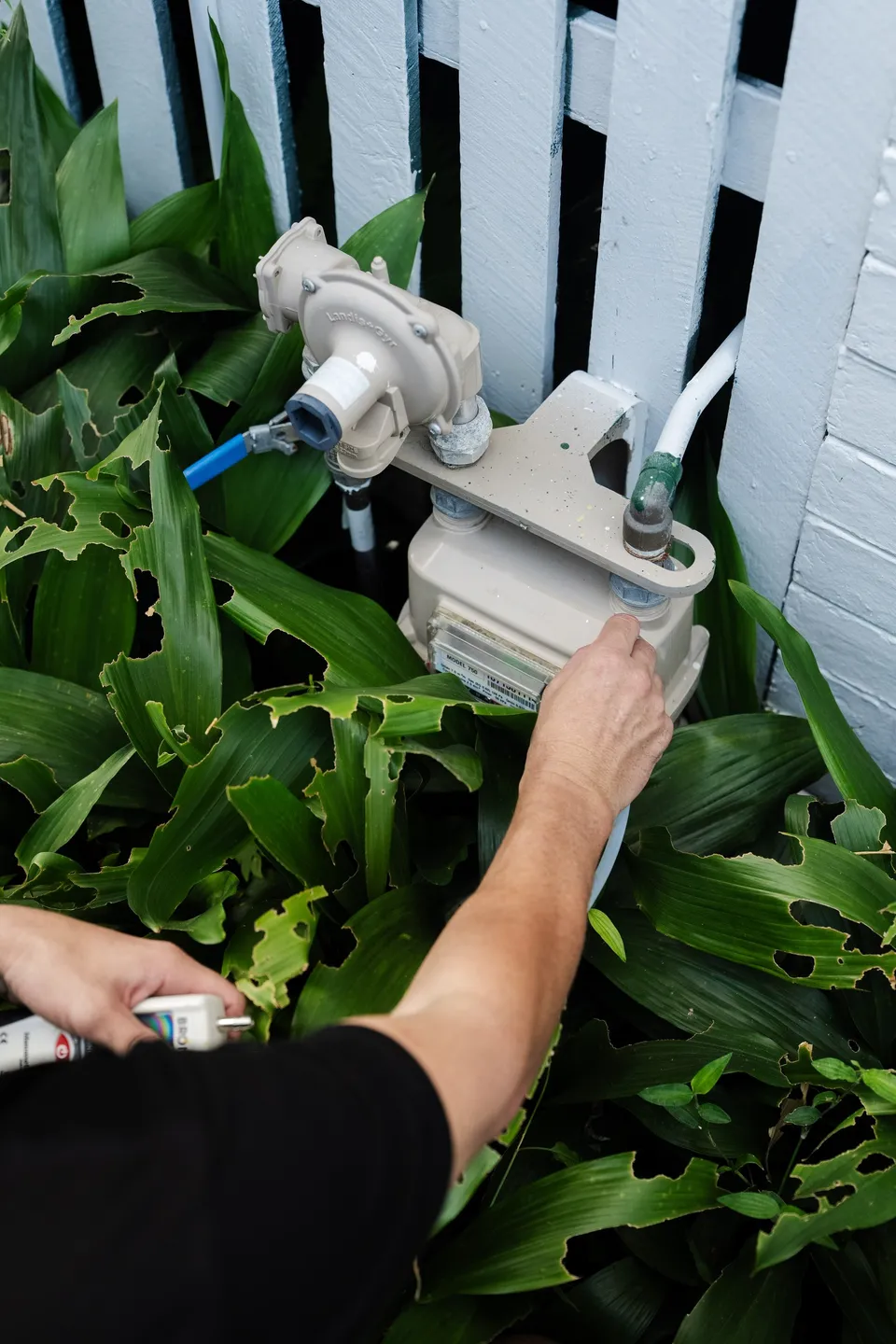
Old Supply Lines Behind Pre-War Walls
Repiping Grange houses often starts at a wall rather than a leak. Corroded galvanised fittings inside pre-war walls split under pressure, and the usual first clue is a sudden pool at the base of a wall.
Staging suits these homes. We can replace the worst run first, keep water on for the rest of the house, and plan the next sections when you are ready. Behind the plaster of a Sellheim Street Queenslander, the original run is often still galvanised steel, and the threaded joints are where it rusts worst.
What Happens During a Whole-House Repipe
- 1

Inspect the Existing Pipes
The plumber checks the current supply lines and decides which lengths to replace and which can stay. Age and condition guide that call, not the calendar alone.
- 2

Open Access to the Pipes
Openings are made wherever the run needs them: wall linings, floor panels or subfloor hatches. The plumber opens what the job needs and nothing more.
- 3
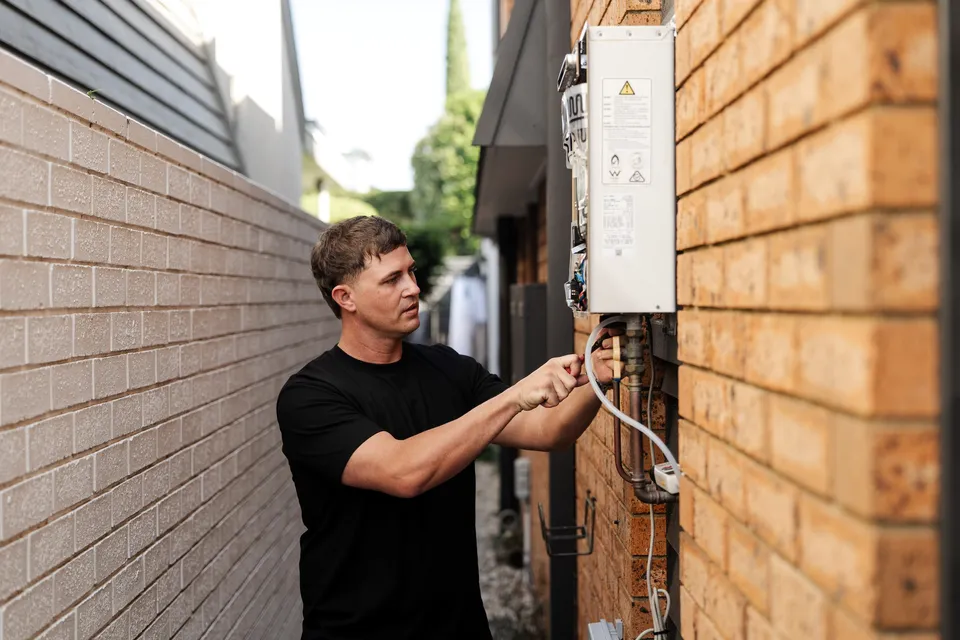
Build the New Run Beside the Old One
The new pipe goes in alongside the old run while it still works. Your home keeps water for this part of the job.
- 4

Connect With the Water Off
The supply is turned off only while the plumber swaps the old run over to the new one. That connection is the quiet stretch of the job.
- 5

Test for Leaks
The new pipework is pressure-tested before the walls and floors are closed. Nothing is signed off until the test passes. Not sure whether the run is failing or just one joint? Leak detection can confirm which length of pipe is at fault before you commit to a full replacement.
Plumbing job in Grange?
$0 call-out fees, available 24/7, and same-day where we can.
How We Work on a Repipe
- 1
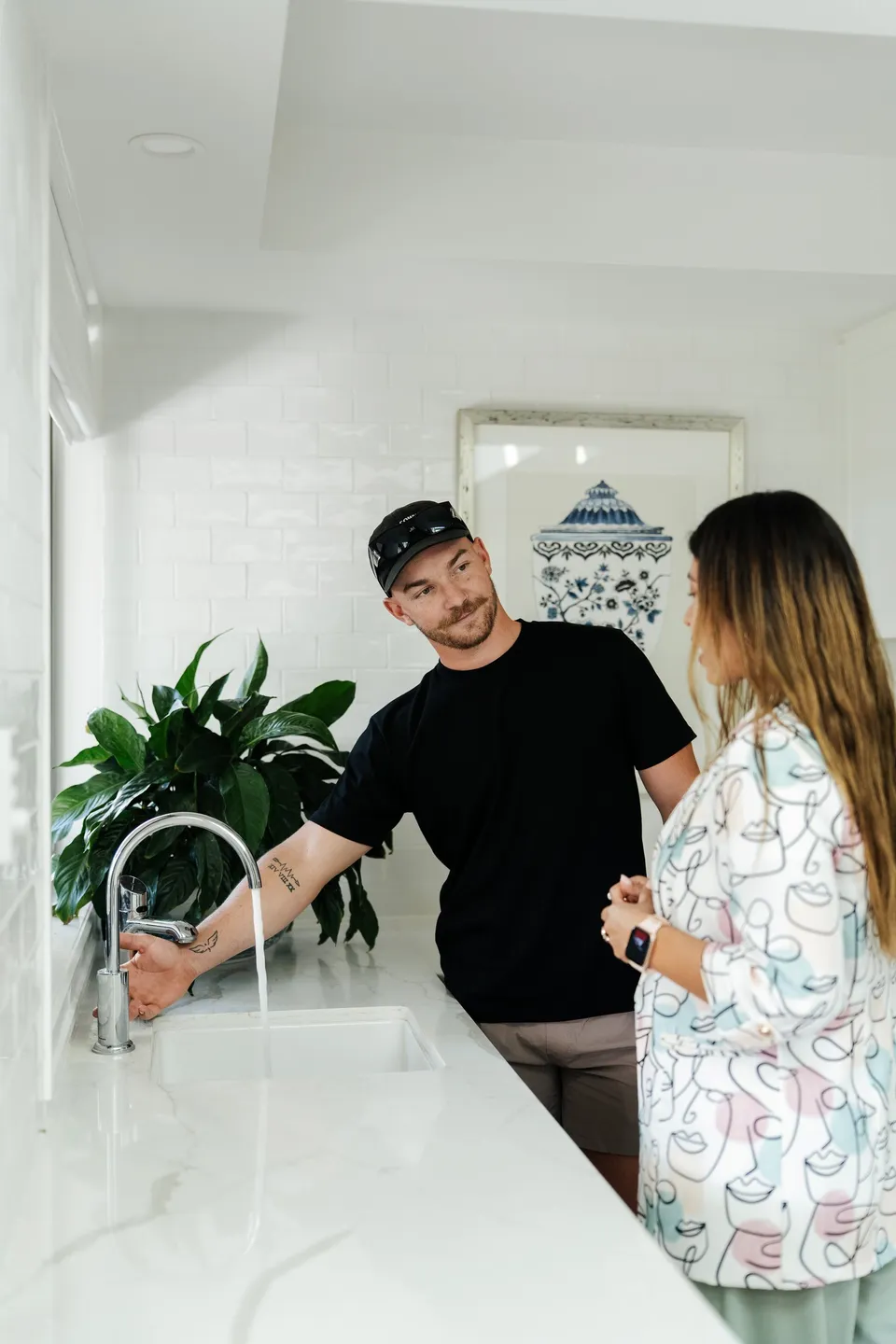
Get in touch
Call (07) 3523 7172 or send a quick message about the job in Grange, and we'll ask what we need to know.
- 2
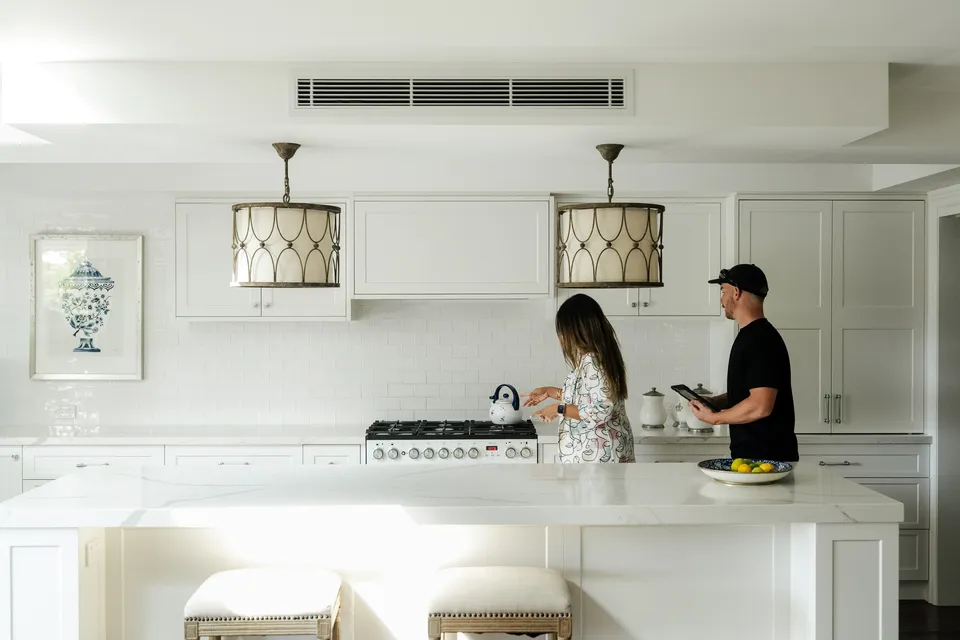
We walk the job with you
A plumber traces the supply lines through your home, checks which runs are galvanised or early copper, and plans a whole-house repipe or a staged one with you.
- 3
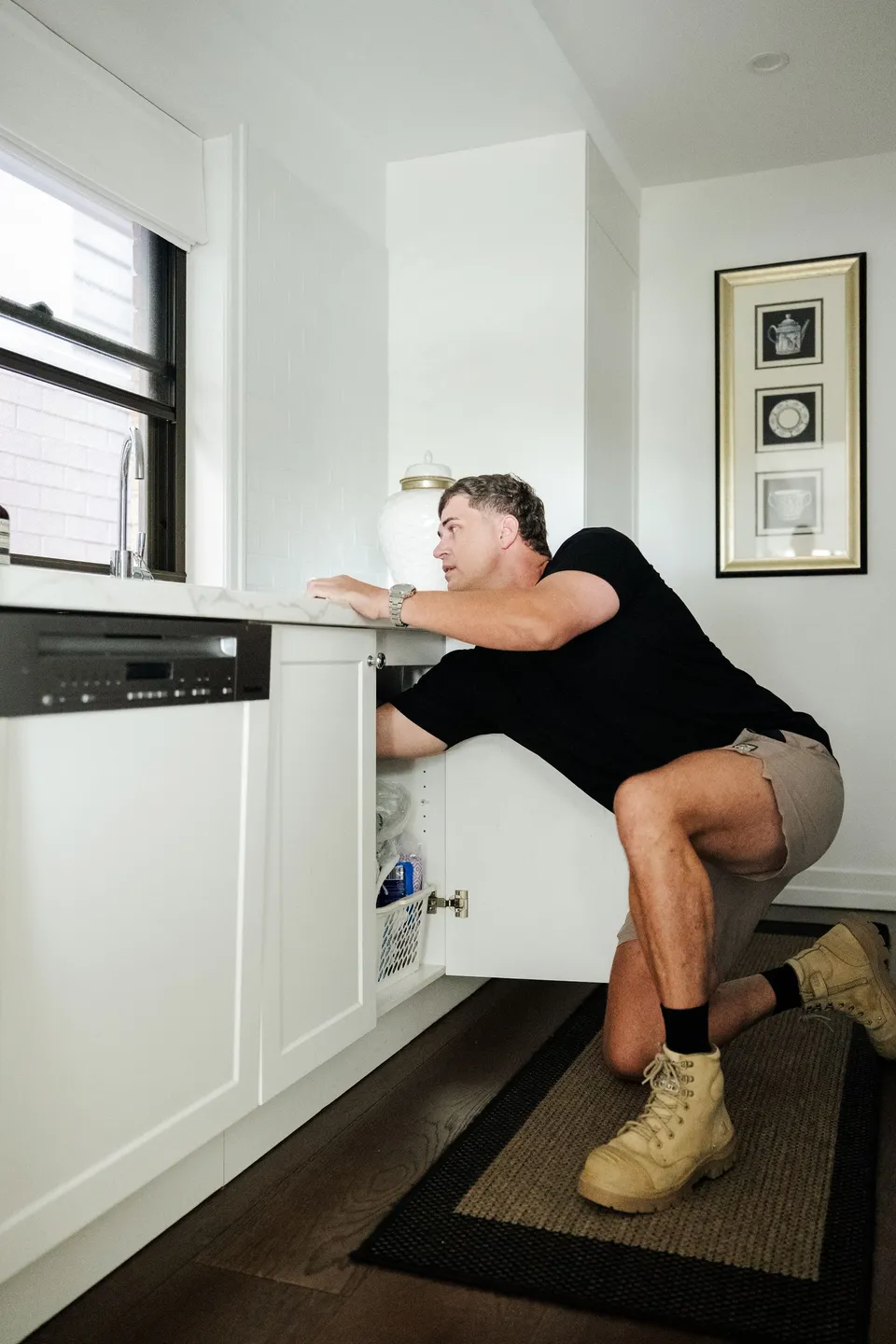
Sign off the quote
You'll see a fixed quote before any work starts, with flat-rate pricing and no hidden fees. The job starts when you're happy with it.
- 4
Pay once it's done
Pay by card or EFTPOS on site after the work's finished, or choose Fix now, pay later.
Repiping Questions Answered
Call (07) 3523 7172What does repiping a house involve?
A plumber checks the existing lines, plans a whole-house or staged replacement, builds the new run beside the old one, connects it with the water off, then leak-tests the result. Openings are made wherever the run needs them first.
Is repiping worth it for an older Grange home?
Yes, when the pattern says the pipe is worn. Repair suits a sound line with a one-off leak. Replacement suits runs where leaks keep coming back, the water runs brown, or several taps lose flow together.
Does repiping a house need a permit in Queensland?
No, not for an existing home. Replacing the supply piping is notifiable work: the licensed plumber lodges a Form 4 with the QBCC within 10 business days and hands you a copy. Units differ, so confirm the category with the plumber.
What materials replace old galvanised pipes?
Copper and PEX (cross-linked polyethylene) are the usual choices, and the plumber picks by where the pipe runs. Every product installed must be one the Act approves for plumbing use.
What affects the cost of repiping a house?
Two things drive the price most: the length of pipe to replace and the number of fixtures to reconnect. Access through walls, under floors or beneath a Grange house also counts, and the price is set by a fixed quote before any work starts.

Book a Repipe With Our PlumbersWe'll call you back.
Call (07) 3523 7172 to book a plumber in Grange. We're available 24/7, with $0 call-out fees, flat-rate pricing and same-day where we can.
To claim your $0 call-out fee, call (07) 3523 7172 today.